
Foods That Strengthen Hair and Nails: Your Complete Balanced Diet Plan
Discover how proper nutrition transforms your hair and nails from the inside out. Our comprehensive guide reveals the exact foods, nutrients, and meal strategies that deliver visible results within weeks.
At Nicemushrooms, we believe that genuine beauty starts with what you eat. This evidence-based approach combines the best natural whole foods with a structured meal plan designed specifically for UK nutritional standards and seasonal availability.
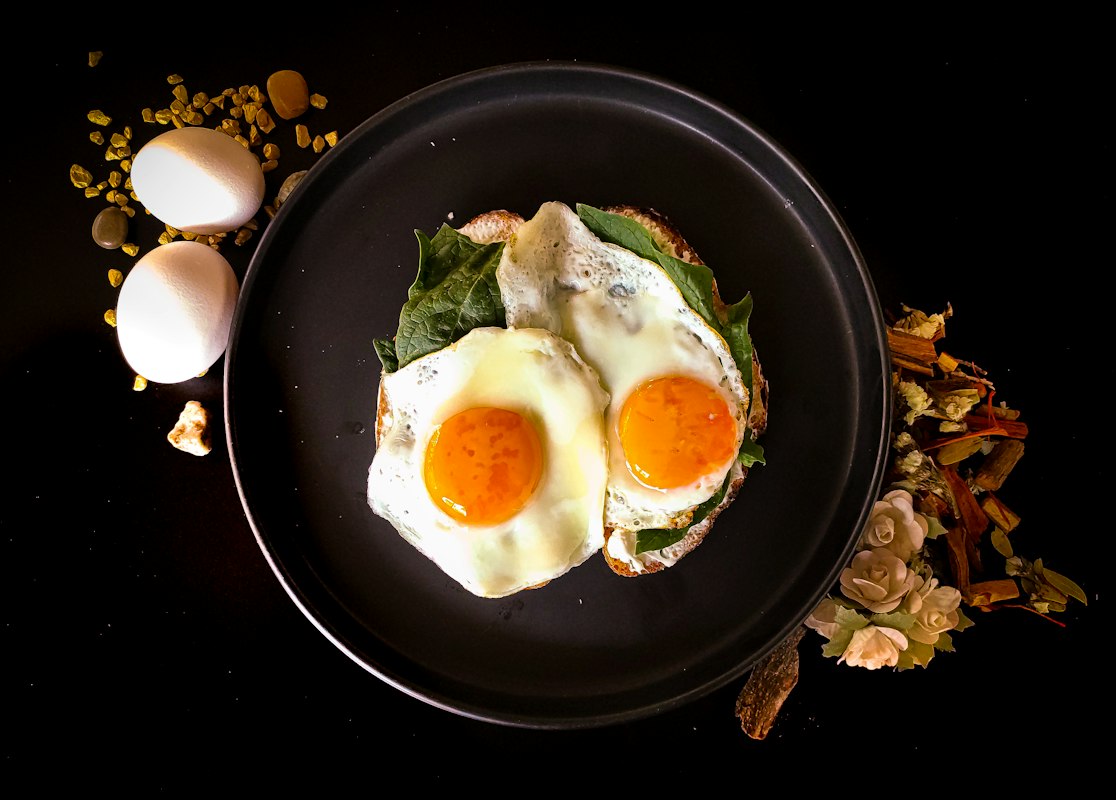
Why Nutrition Matters for Hair and Nails
Hair and nails are among the fastest-growing tissues in your body, requiring specific nutrients to thrive. Without proper dietary support, they become weak, brittle, and slow-growing.
Hydration and Moisture Balance
Water-rich foods like leafy greens, cucumbers, and melons maintain elasticity in hair strands and keep nail beds supple. Proper hydration prevents brittleness and promotes natural shine without added products.
Protein Foundation
Hair is built primarily from a protein called keratin. Nails also contain keratin alongside calcium and minerals. Without adequate protein intake, your body cannot rebuild damaged hair or strengthen nail plates.
Mineral and Vitamin Synergy
Biotin, iron, zinc, and B vitamins work together to support hair growth cycles and prevent premature shedding. Vitamin C aids collagen synthesis, which provides structural support for both hair follicles and nail beds.
Scalp and Nail Bed Circulation
Omega-3 fatty acids and healthy fats improve blood flow to hair follicles and the tissues beneath nails. Better circulation delivers more nutrients to these areas, accelerating growth and strengthening.
Antioxidant Protection
Free radicals damage hair follicles and nail matrix cells. Antioxidants from berries, dark leafy greens, and mushrooms neutralise oxidative stress, preventing premature greying and brittleness.
Metabolic Hormone Balance
Balanced blood sugar levels and stable hormone production support consistent hair growth and prevent excessive shedding. Whole grains, legumes, and mushrooms stabilise energy metabolism throughout the day.
Essential Nutrient Categories for Hair and Nail Health
Understanding which nutrients target which aspects of hair and nail strength helps you choose foods strategically.
Biotin (Vitamin B7)
Biotin strengthens the protein structure of keratin, reducing breakage and promoting thicker hair growth. A deficiency directly causes thin, fragile hair and peeling nails.
Top Sources:
- Egg yolks
- Almonds and peanuts
- Mushrooms (especially oyster)
- Salmon and sardines
- Sweet potatoes
Daily target: 30-100 mcg
Iron
Iron transports oxygen to hair follicles and nail beds. Low iron causes anaemia-related hair loss, weak nails that break easily, and slow growth cycles. This is particularly important for women.
Top Sources:
- Red meat and liver
- Lentils and chickpeas
- Spinach and kale
- Pumpkin seeds
- Fortified cereals
Daily target: 8-18 mg
Zinc
Zinc regulates the hair growth cycle and prevents premature telogen effluvium (excessive shedding). It also stabilises nail keratin and prevents white spots that indicate zinc deficiency.
Top Sources:
- Oysters and shellfish
- Beef and poultry
- Pumpkin and sunflower seeds
- Chickpeas and beans
- Cashews and almonds
Daily target: 8-11 mg
Vitamin C
Vitamin C is essential for collagen synthesis, which forms the structural foundation of hair follicles and nail beds. It also enhances iron absorption, making it critical when combining iron-rich foods.
Top Sources:
- Citrus fruits (oranges, lemons)
- Bell peppers (red and yellow)
- Strawberries and kiwi
- Broccoli and Brussels sprouts
- Tomatoes and sweet potatoes
Daily target: 75-90 mg
Omega-3 Fatty Acids
Omega-3s reduce inflammation in the scalp and nail bed tissues, promoting better blood flow and nutrient delivery. They also coat the hair shaft, adding shine and reducing frizz naturally.
Top Sources:
- Fatty fish (salmon, mackerel)
- Flaxseeds and chia seeds
- Walnuts
- Avocados
- Extra virgin olive oil
Daily target: 1.1-1.6 g
B Vitamins Complex
B vitamins (B3, B5, B6, B12) support energy production and amino acid metabolism needed for keratin formation. B12 deficiency specifically causes premature greying and slow hair growth.
Top Sources:
- Whole grains and brown rice
- Chicken and turkey
- Mushrooms (B3, B5 rich)
- Legumes and lentils
- Eggs and dairy
Varies by specific B vitamin
4-Week Nutritional Transformation Journey
Hair and nails grow in cycles. Most visible improvements appear within 3-4 weeks as new, nutrient-rich hair enters the growth phase and nail keratin becomes stronger.
Week 1: Foundation Building
Begin eating nutrient-dense whole foods daily. Your body starts absorbing high levels of biotin, iron, and zinc. Initial energy levels may increase noticeably.
- Introduce 2 protein sources per meal
- Add mushrooms to 3 meals
- Include leafy greens daily
Week 2: Cellular Renewal
Existing hair and nails begin showing subtle strength improvements. You may notice reduced hair fall in the shower and nails feeling slightly harder. Digestion stabilises.
- Nails feel less flexible
- Hair tangles less
- First energy plateau
Week 3: Visible Results Begin
New hair in the anagen (growth) phase now contains optimal nutrient levels. You notice increased shine, scalp feel healthier, and nails show faster growth. This is the reward phase.
- Hair becomes noticeably shinier
- Nails grow faster
- Scalp feels calmer
Week 4: Momentum Established
Full effects emerge. Hair is noticeably thicker and stronger, breakage drops significantly, nails show healthy new growth with white tips visible. You understand what works best for you.
- Hair visibly fuller
- Breakage noticeably reduced
- Ready to continue long-term
Important: Hair growth cycles are 3-6 months. For maximum results and to see significantly thicker new growth throughout your entire hair length, maintain this nutritional plan for at least 12 weeks. Early improvements (weeks 2-4) show your body is absorbing these nutrients correctly.
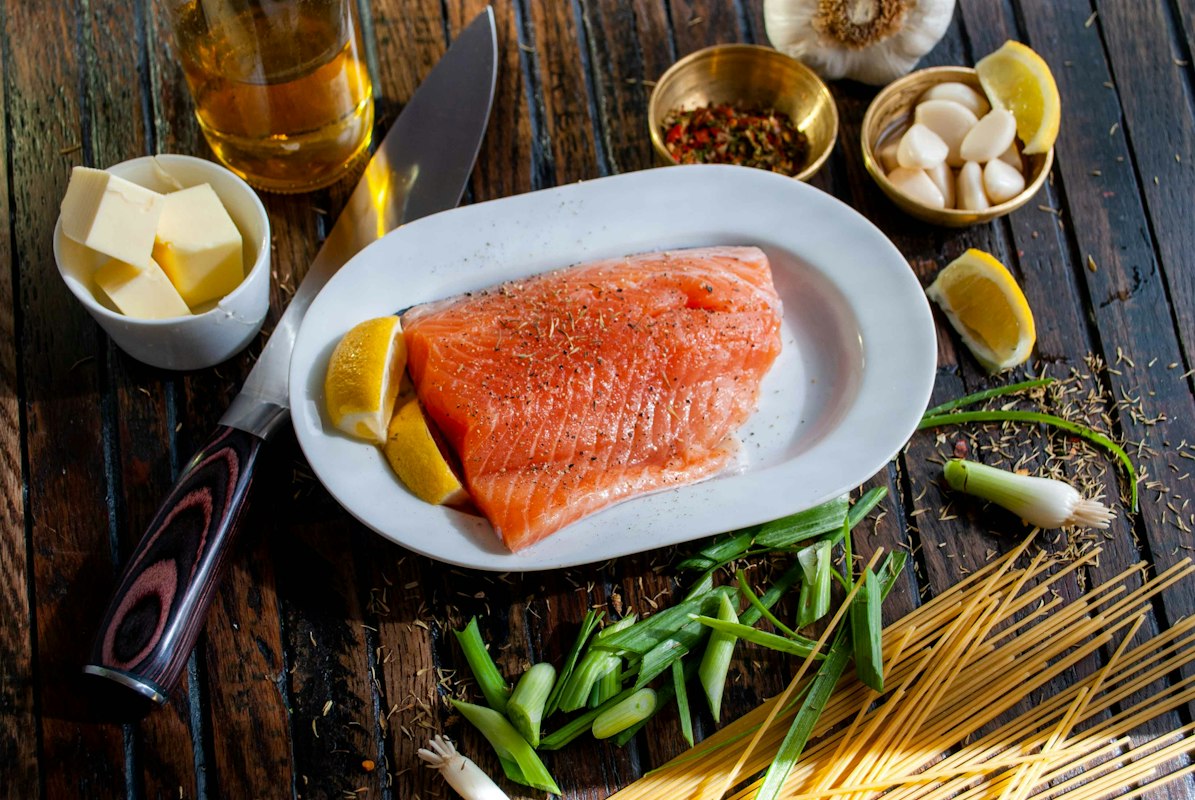
How Protein Powers Your Hair Growth
Hair is approximately 95% protein, specifically a structural protein called keratin. Your body synthesises new keratin from the amino acids you consume through protein-rich foods. Without adequate protein intake, your hair growth slows dramatically, becomes brittle, and may enter prolonged resting phases that result in excessive shedding.
The recommended daily protein intake for optimal hair health is 1.2 to 1.6 grams per kilogram of body weight. This is higher than the standard recommendation because hair growth is an energy-intensive process. A person weighing 70 kg should aim for 84-112 grams of protein daily to support maximum hair growth and nail strength.
Best Protein Sources for Hair Health:
Fatty Fish (Salmon, Mackerel, Sardines)
25-30g protein per 100g, plus omega-3s and vitamin D for scalp health
Eggs
6-7g protein per egg, biotin and choline for keratin synthesis
Lean Meats (Chicken, Turkey, Beef)
26-30g protein per 100g, plus iron, B12, and zinc
Greek Yogurt and Cottage Cheese
10-20g protein per serving, calcium for nail matrix strength